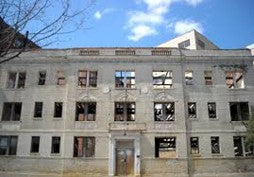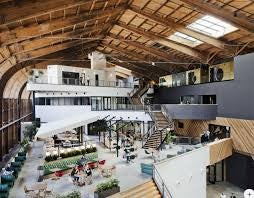
Adaptive reuse offers significant potential for improving building energy efficiency by repurposing existing structures and integrating modern, energy-saving technologies. By avoiding demolition and construction, adaptive reuse reduces the embodied energy and associated carbon emissions of new buildings, while also providing opportunities to upgrade outdated systems and materials for better performance. By carefully planning and implementing energy-efficient measures, adaptive reuse projects can contribute to a more sustainable built environment. EnerNexus partners with owners, portfolio managers, architectural &Engineering firms to support design and specification of lighting, controls, HVAC systems and solar arrays in relation to adapting the built environment to next generation applications and energy efficiencies.
EnerNexus partners with owners, portfolio managers, architectural & Engineering firms to support design and specification of lighting, controls, HVAC systems and solar arrays in relation
to adapting the built environment to next generation applications and energy efficiencies.
Benefits of Adaptive Reuse for Energy Efficiency:
Reduced Embodied Energy: Adaptive reuse conserves the energy used to produce building materials and construct new buildings, contributing to a more sustainable approach to construction.
Opportunity for Upgrades: Adaptive reuse projects often involve upgrading older heating, ventilation, and air conditioning (HVAC) systems, improving insulation, and incorporating energy-efficient lighting, controls and appliances.
Cost-Effective Solutions: Adaptive reuse can be a more cost-effective option compared to new construction, particularly when leveraging existing infrastructure and materials.
Preservation of Heritage: Adaptive reuse allows for the preservation of historic buildings and their architectural styles, contributing to cultural heritage while also addressing energy efficiency concerns.
Resource Conservation: By repurposing existing buildings and materials, adaptive reuse minimizes the demand for new resources and reduces waste.
Challenges and Considerations:
Baseline Data: Adaptive reuse projects can face challenges in establishing accurate baseline energy consumption data for existing buildings, especially commercial buildings transitioning to residential use.
Balancing Efficiency and Heritage: Finding a balance between enhancing energy efficiency and preserving the aesthetic and historical integrity of existing buildings can be a delicate task.
System Compatibility: Ensuring that upgraded lighting, new HVAC systems and other technologies are compatible with the existing building structure and infrastructure is important.
Future-Proofing: Adaptive reuse projects should also consider future-proofing measures, such as incorporating flexible systems that can adapt to changing energy needs and climate conditions.
Examples of Energy Efficiency Measures in Adaptive Reuse:
Next Generation lighting and controls: Integrating smart building technologies, such as smart thermostats and lighting controls, can optimize energy usage and reduce waste.
Insulation: Adding insulation to exterior walls and roofs can significantly reduce heat loss and improve energy efficiency.
HVAC Upgrades: Replacing older HVAC systems with modern, energy-efficient models can reduce energy consumption.
Renewable Energy: Incorporating renewable energy sources, such as solar panels, can reduce reliance on fossil fuels and improve energy independence.