Energy consulting involves helping businesses identify and implement solutions to reduce energy consumption, lower costs, and increase sustainability. This includes analyzing energy usage, developing efficiency strategies, negotiating energy contracts, and evaluating renewable energy options.
As your Energy Nexus we provide:
Energy Audits and Assessments:
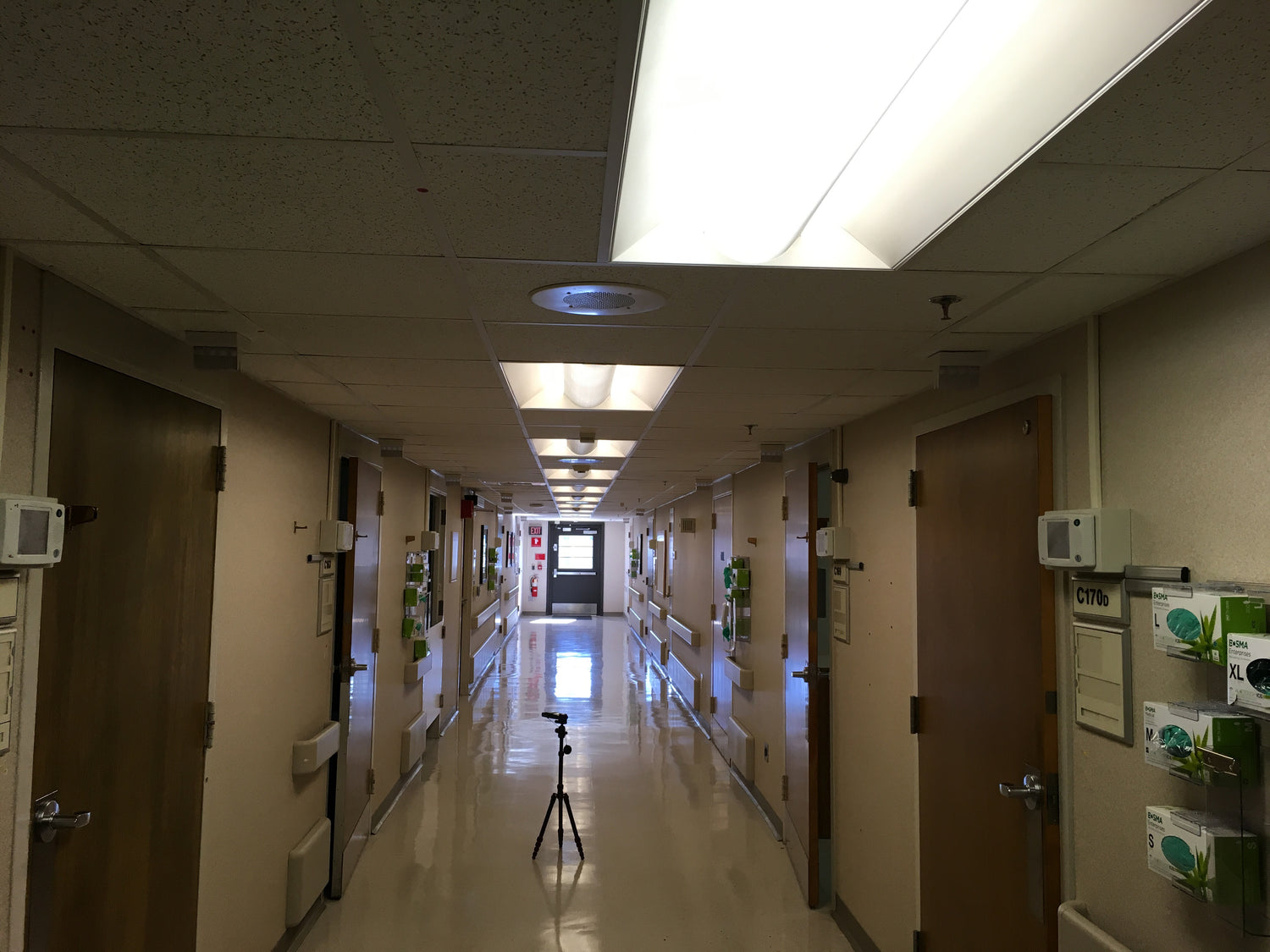
Energy audits and assessments are systematic inspections and analyses of a building's energy use to identify inefficiencies and areas of waste. They provide a detailed report with recommendations for improvements, which can lead to significant cost savings, improved comfort, and reduced environmental impact. These evaluations examine everything from lighting, building insulation and windows, to appliances and HVAC systems.
A commercial energy audit typically can vary based on the size and complexity of the building. More comprehensive audits or those with detailed reporting can take longer, potentially spanning a few days. Factors like the number of energy conservation measures, and the level of detail required in the report also influence the duration.
Levels of Audits:
- Basic Walk-Through Audits: These can be completed in a few hours, focusing on readily visible energy-saving opportunities.
- General Audits: These involve more detailed data collection and analysis, taking longer than a few hours.
- Investment-Grade Audits: These comprehensive audits provide detailed energy savings estimates, logging occupation and traffic in spaces, and financial analyses, requiring more time and resources.

Develop Energy Efficiency Strategies
Tailored Solutions: Based on the assessment, we develop customized energy management strategies, considering the specific needs of your business.
Benchmarking: We compare a business's energy performance against industry standards and best practices.
Identifying Opportunities: We identify potential energy-saving measures, such as upgrading equipment (lighting and HVAC systems retrofits, controls integration), implementing smart technologies, and improving building operations.

Energy Procurement and Contracting
Finding Competitive Rates: We work with utility sectors to help you find the most cost-effective energy suppliers and negotiate favorable contract terms.
Contract Negotiation: We may assist with the negotiation of energy contracts to ensure the best possible prices and terms for your business.

Evaluating Renewable Energy Options
Renewable Energy Assessment: We assess the feasibility and cost effectiveness of incorporating renewable energy sources, such as solar power, into your energy profile.
Financing and Incentives: We assist you in exploring financing options and available incentives for renewable energy projects.

Monitoring and Reporting
Performance Tracking: Pre and post retrofit measurement and verification to provide monitoring and reporting on energy consumption and efficiency to track progress and identify areas for further improvement.
Data Analysis: Analyze energy data to identify trends, patterns, and potential problems.

Benefits of Energy Consulting
Reduced Energy Costs: By implementing energy-saving measures, you will significantly reduce energy billing.
Increased Sustainability: We partner with you become more environmentally friendly by reducing your carbon footprint and using energy more efficiently.
Improved Efficiency: Our energy saving strategies are customized to improve your operational efficiency, reduce waste and optimize energy savings.
Enhanced Compliance: We will assess regulatory codes to help your business comply with energy regulations and standards.
Renewable energy offers numerous benefits, primarily focusing on environmental protection, energy security, and economic advantages. By utilizing naturally replenishing resources like solar, wind, and water, renewable energy reduces greenhouse gas emissions, improves air quality, and mitigates climate change. It also enhances energy independence, creates jobs in the renewable energy sector, and stabilizes your energy billing.
Renewable energies should be applied, partnered, integrated with traditional energy sectors. EnerNexus’ experience has identified benefits of renewable energy in the following areas:

Environmental Benefits
Reduced Greenhouse Gas Emissions: Renewable energy sources like solar, wind, and hydropower produce little to no greenhouse gas emissions, significantly contributing to mitigating climate change.
Improved Air Quality: By reducing reliance on fossil fuels, renewable energy helps reduce air pollution and its associated health impacts.
Reduced Water Consumption: Many renewable energy technologies, such as solar and wind power, have lower water consumption compared to traditional power plants.
Reduced Land Use: Compared to some traditional energy sources, renewable energy technologies can be deployed in a manner that minimizes land use impacts.

Energy Security Benefits
Increased Energy Independence: By utilizing locally available renewable resources, communities can reduce their dependence on imported fuels, strengthening energy security.
Diversified Energy Supply: Renewable energy sources diversify the energy mix, making energy systems more resilient to disruptions and price volatility.
Inexhaustible Resource: Renewable
energy sources like the sun, wind, and water are naturally replenished and will not run out.

Economic Benefits
Job Creation: The renewable energy sector creates numerous jobs in manufacturing, installation, maintenance, and research, boosting local economies.
Stable Energy Prices: Renewable energy costs are generally stable and often lower than fossil fuel costs, providing long-term energy cost stability.
Reduced Health Costs: Improved air quality due to renewable energy reduces respiratory and cardiovascular issues, saving on healthcare costs.
Increased Economic Competitiveness: By adopting renewable energy, your business can reduce its reliance on volatile fossil fuel prices, enhancing your economic competitiveness.
