EnerNexus can help your business save on energy costs by analyzing your energy usage, implementing efficiency measures, negotiating better energy rates, and helping you manage peak demand. We will also assist with energy regulations compliance and evaluating renewable energy options. Here's a more detailed look at how they can help:
Energy Audits and Efficiency Improvements
With a notice to proceed Ener Nexus will initiate the Preliminary through Investment Grade Audit process assessing your business's energy consumption to identify areas where energy usage is high and opportunities for improvement.
Ener nexus will recommend specific actions, such as upgrading to energy-efficient equipment, optimizing HVAC systems, and implementing better lighting strategies. This can include energy conservation measures incorporating integrated LED lighting, improving insulation, and adjusting HVAC settings.
Energy Procurement and Negotiation
EnerNexus can help you find the best energy rates and contracts by negotiating with energy providers and leveraging their industry knowledge.
We can help you understand different energy pricing options, including fixed-rate contracts, variable rates, and demand-based pricing.
We can also negotiate better terms and conditions in your contracts, such as early termination clauses or favorable payment options.

Peak Demand Management
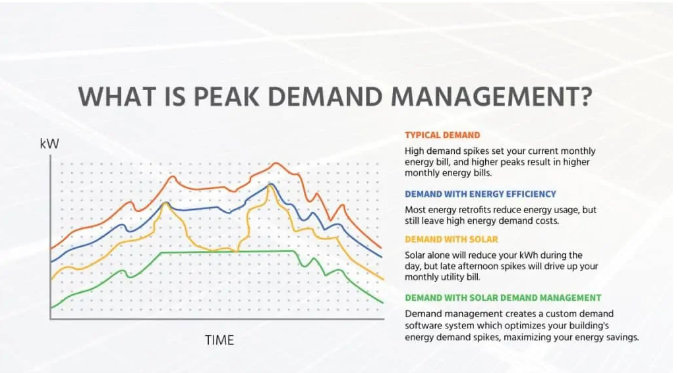
Peak energy demand management focuses on reducing electricity consumption during periods of high demand, often referred to as peak hours, to stabilize the grid, reduce costs, and improve overall energy efficiency.
This involves strategies to either reduce demand during peak hours or shift demand to off-peak times.
Key Concepts
Peak Demand:
The highest level of electricity consumption within a specific period, often during the hottest or coldest times of the day.
Peak Hours:
The times of day when electricity demand is at its highest, typically during the afternoon and early evening.
Demand Response:
Programs that incentivize energy users to reduce or shift their energy usage during peak periods.
Grid Stability:
Managing peak demand helps prevent overloads and potential blackouts, ensuring a more reliable energy supply.
Cost Savings:
Reducing peak demand can lower capacity charges and overall energy costs for both consumers and utilities. Strategies for Managing Peak Demand:
Energy Efficiency:
Implementing energy-efficient technologies and practices reduces the overall energy consumption, including during peak hours.
Demand Response Programs:
Participating in programs that offer incentives for reducing or shifting energy use during pea times.
Load Shifting:
Shifting energy-intensive tasks, like laundry or dishwashing, to off-peak hours.
Smart Technology:
Utilizing smart thermostats, lighting controls, and other technologies to optimize energy usage.
Energy Storage:
Employing battery storage systems to store energy during off-peak hours and utilize it during peak demand.
Appliance Management:
Limiting the use of high-energy appliances during peak hours.
Benefits of Peak Demand Management:
Reduced Grid Strain:
Managing peak demand helps to prevent overloads and potential blackouts.
Lower Energy Costs:
By reducing peak demand, businesses and consumers can lower their energy bills.
Increased Energy Efficiency:
Peak demand management can encourage the adoption of energy-efficient practices and technologies.
Environmental Benefits:
Reduced energy consumption and reliance on fossil fuels can lead to a smaller carbon footprint.
By implementing effective peak demand management strategies, energy providers and consumers can work together to create a more reliable, cost-effective, and sustainable energy system
Demand Side Management
Demand Side Management (DSM) is a strategy used by electric utilities to reduce or shift electricity demand by encouraging consumers to modify their energy consumption patterns. This can involve shifting usage to off-peak hours, reducing overall energy use, or adopting more efficient technologies. DSM programs often offer incentives like financial rewards or lower rates for participating in demand reduction activities.
EnerNexus can help you manage your peak energy demand - the highest amount of energy your business uses at any given time.
By optimizing your energy usage during peak hours, you can avoid high demand charges and lower your overall energy bills.
We will recommend incentivized strategies such as shifting energy intensive tasks to off-peak hours, using demand response programs.
Renewable Energy Solutions
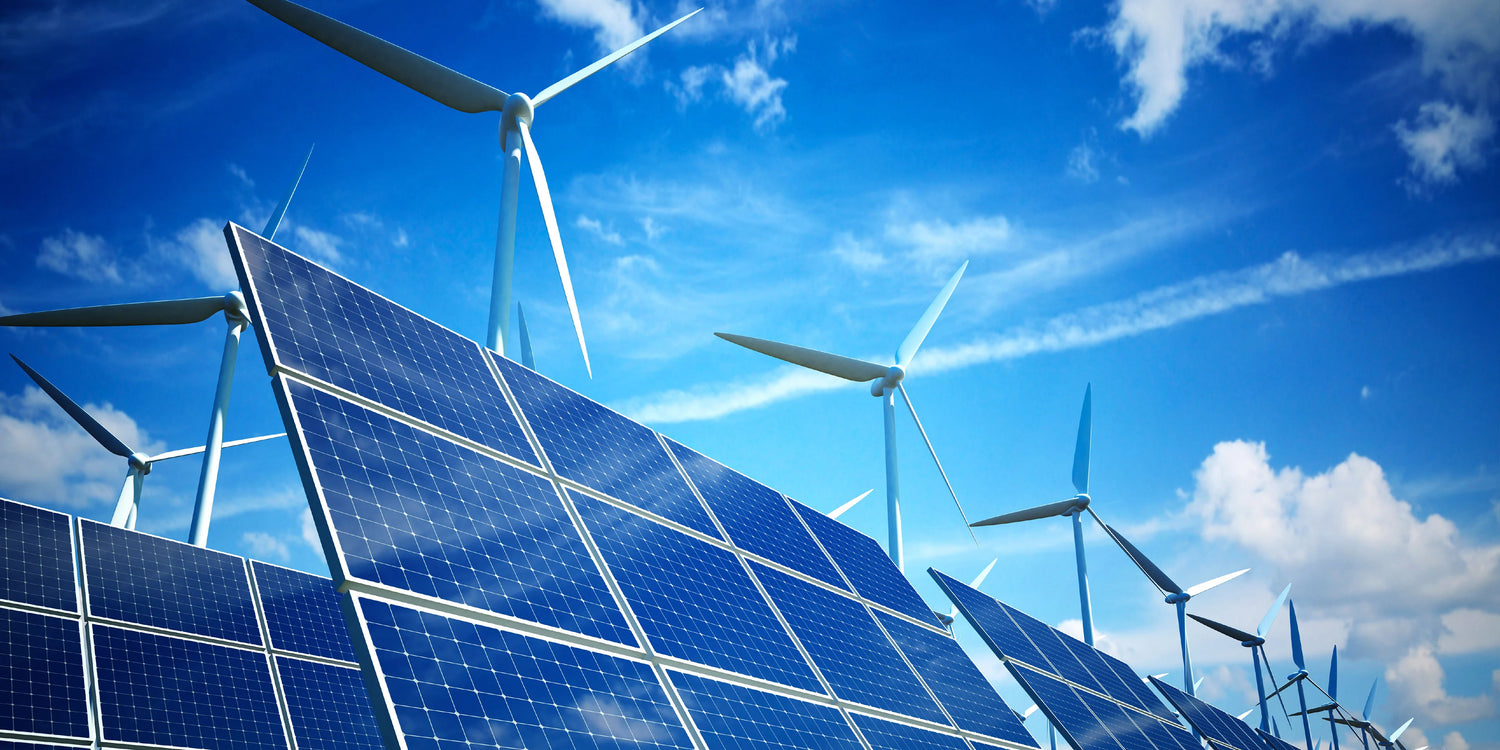
If your business is interested in transitioning to renewable energy sources, EnerNexus can help you evaluate the feasibility and cost-effectiveness of different options.
We will assess your energy needs, help you determine the right size for a solar panel system, solar Streetlighting and assist with financing and regulatory compliance.

Compliance and Sustainability
EnerNexus can help you comply with energy regulations and standards, ensuring that your business is operating legally and efficiently.
We can also help you develop a sustainable energy strategy, reduce your carbon footprint, and meet environmental goals.
Bill Audits and Error Correction
We can audit your utility bills to identify any errors or overcharges, ensuring that you are paying the correct amount.
We can also help you understand your utility bills and identify any discrepancies.
In Essence, EnerNexus Can Help Your Business Save Money By
- Identifying, implementing and optimizing new and retrofit energy-saving measures
- Negotiating better energy contracts
- Optimizing energy usage to reduce peak demand
- Exploring renewable energy options
- Ensuring compliance with energy regulations
- Auditing utility bills and correcting errors